
Back surgery is one of the most significant medical decisions a person can face. The idea of going under the knife — especially on your spine — understandably brings a flood of anxiety, questions, and uncertainty. If you’ve been told you may need back surgery, or if you’re simply trying to avoid reaching that point, you’re probably wondering whether there’s another way. Here in Austin, TX, many patients come through our doors at Stonelake Chiropractic asking exactly that question. The good news is that chiropractic care is one of the most well-researched, non-invasive approaches available for back pain, and for many people, it may help them avoid back surgery altogether.
Can chiropractic care really help you avoid back surgery?
For many patients dealing with common spinal conditions like herniated discs, sciatica, or chronic low back pain, the answer is often yes. At least as part of a conservative care plan. Research consistently shows that non-surgical, conservative approaches like chiropractic care should typically be explored before surgical options are considered. While chiropractic care isn’t a cure-all, it addresses the root causes of many back problems in ways that can restore function, reduce pain, and help patients regain their quality of life without surgery.
Understanding Why Back Surgery Gets Recommended
Back surgery doesn’t come out of nowhere. It’s typically recommended when a structural problem in the spine is causing significant pain, nerve damage, or loss of function. And when other treatments haven’t provided relief. Common reasons a physician might recommend surgery include severe disc herniation pressing on a nerve, spinal stenosis narrowing the spinal canal, spondylolisthesis where one vertebra slips over another, or degenerative disc disease that has progressed significantly.
The challenge is that spinal surgery, while sometimes absolutely necessary and life-changing for the right patient, carries real risks. These include infection, nerve damage, failed back surgery syndrome, and long recovery times. There’s also growing recognition in the medical community that some surgeries are performed before conservative options have been truly exhausted. Guidelines from organizations like the American College of Physicians (ACP) and the National Institute for Health and Care Excellence (NICE) recommend that non-invasive, conservative care should generally be the first line of treatment for most back pain conditions.
This is precisely where chiropractic care enters the picture. Rather than masking symptoms with medication or jumping straight to surgery, chiropractic focuses on understanding and treating the mechanical and structural causes of your pain. It’s a conservative, evidence-informed approach that many patients in Austin, TX find provides meaningful, lasting relief.
What Chiropractic Care Actually Does for Your Spine
Chiropractic care is built on a foundational principle: that the spine plays a critical role in overall body function, and that when spinal joints are restricted, misaligned, or not moving correctly, it can lead to pain, nerve irritation, and a cascade of other problems. At Stonelake Chiropractic, Dr. Jacoby Bergeron takes a thorough, individualized approach to understanding each patient’s unique spinal mechanics before developing a care plan.
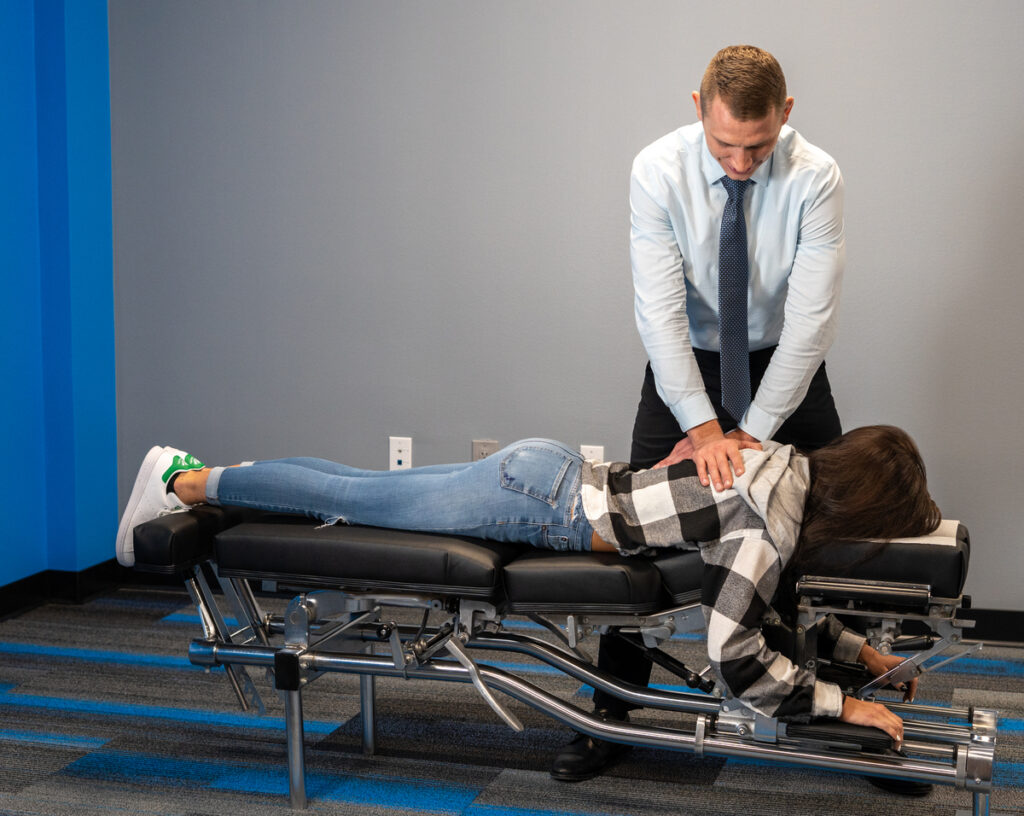
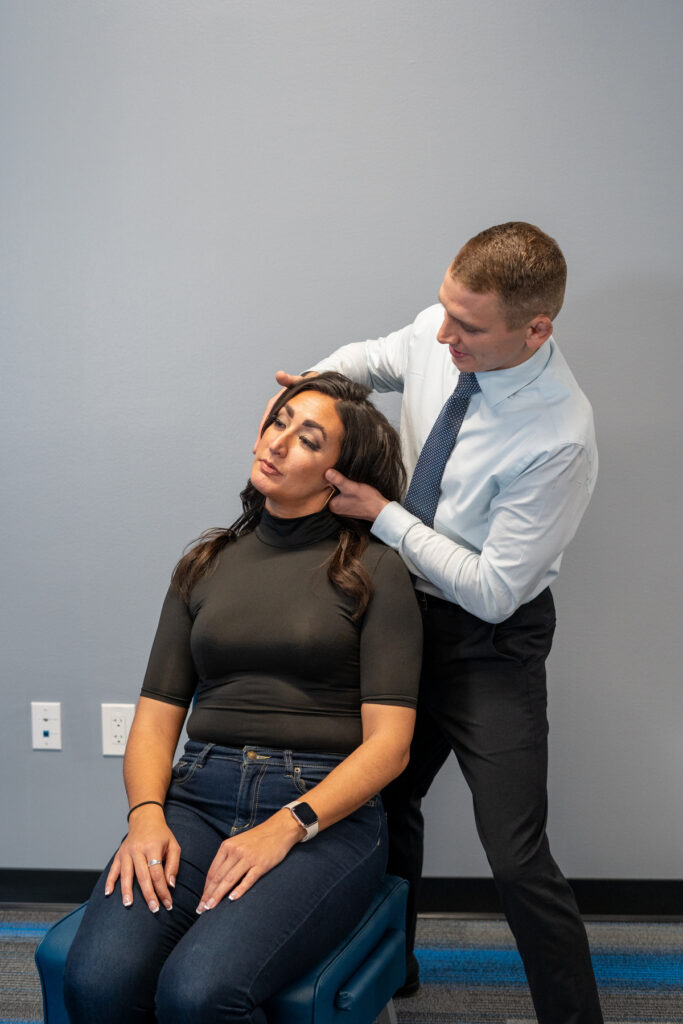
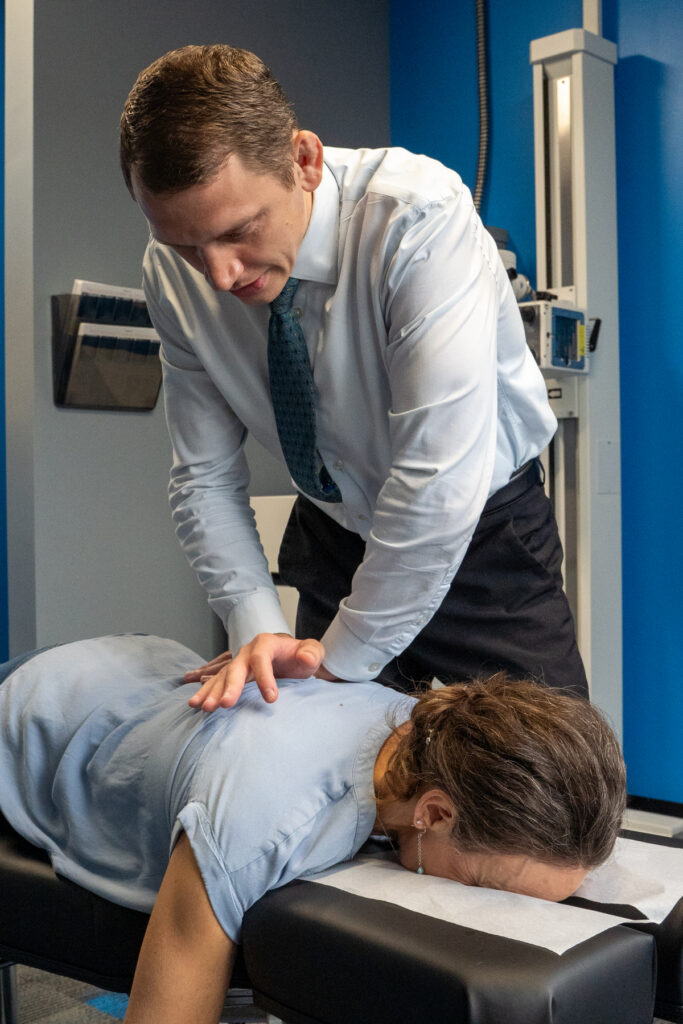
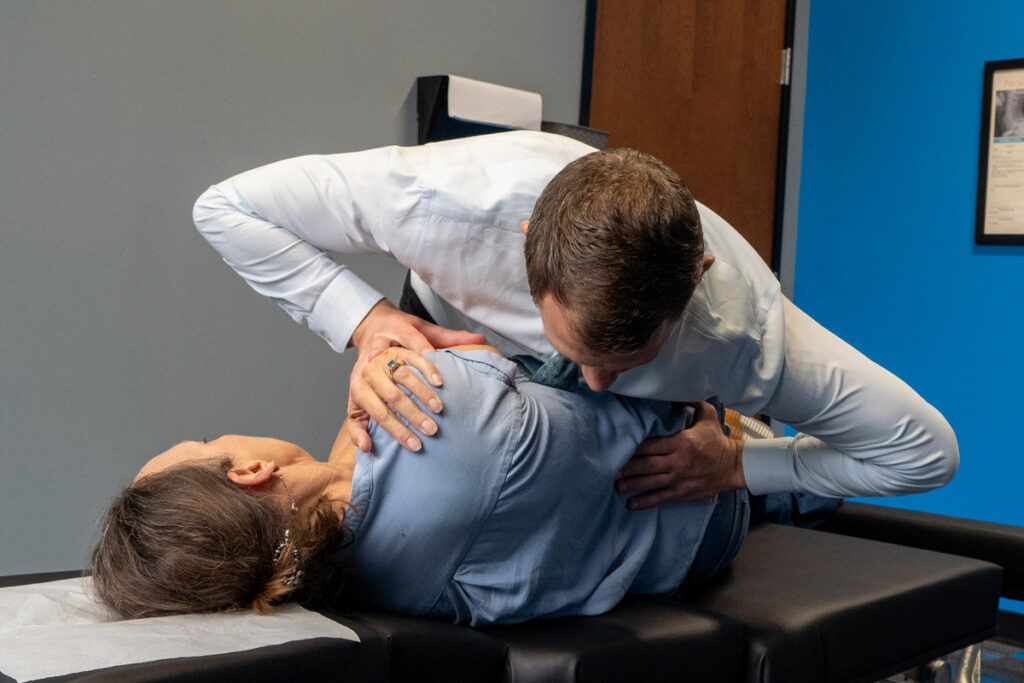
The primary tool in a chiropractor’s toolkit is spinal manipulation, sometimes called a “chiropractic adjustment.” This involves applying a precise, controlled force to a joint in the spine to restore proper movement and alignment. It sounds simple, but the downstream effects can be significant. Adjustments help reduce joint restriction, decrease inflammation in surrounding tissues, improve nerve communication, and restore a more natural range of motion. Many patients report notable pain relief even after their first few visits.
Beyond adjustments, modern chiropractic care often includes soft tissue therapy, rehabilitative exercises, posture correction guidance, and lifestyle counseling. This comprehensive approach is what sets it apart from simply “cracking your back.” Dr. Jacoby Bergeron and the team at Stonelake Chiropractic treat the whole person, not just the painful area, working to identify why the problem developed in the first place.
Common Back Conditions Chiropractic Can Help Address
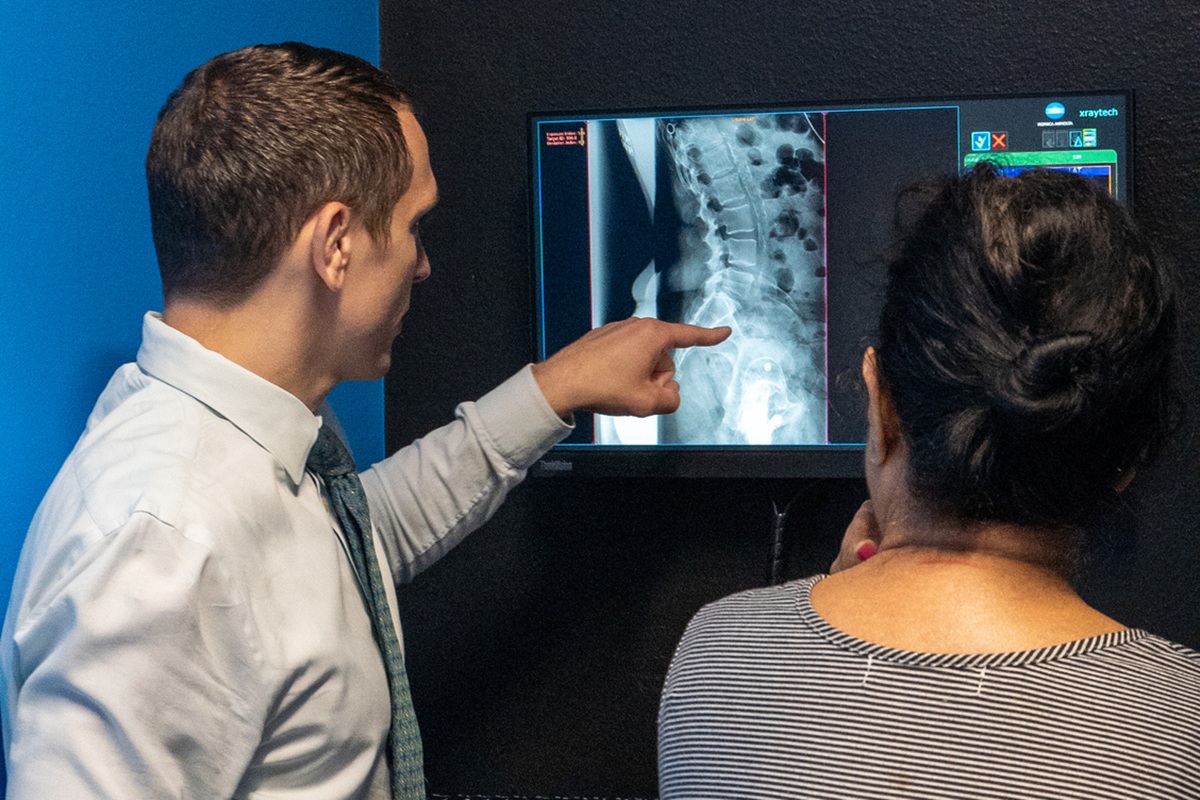
Chiropractic care is particularly well-suited for a range of conditions that are frequently cited as reasons for back surgery referrals. Understanding where it may be most helpful can guide you in having informed conversations with all of your healthcare providers.
Herniated or Bulging Discs: The spinal discs sit between your vertebrae and act as shock absorbers. When a disc herniates or bulges, it can press on nearby nerves and cause significant pain, numbness, or weakness — often radiating down the leg (sciatica). Research suggests that chiropractic adjustments can help reduce pressure on the affected nerve and relieve associated symptoms. Many patients with disc herniations who seek chiropractic care avoid surgical intervention by allowing the body time to heal in a properly supported mechanical environment.
Sciatica: Sciatica refers to pain that radiates along the sciatic nerve, often from the lower back down through one leg. It can be debilitating. While surgery is sometimes proposed when sciatica is severe, chiropractic adjustments and associated therapies have been shown to help reduce nerve irritation and improve function for many patients dealing with this condition.
Spinal Stenosis: This involves a narrowing of the spinal canal, often related to age-related changes, and can compress the spinal cord or nerve roots. While advanced stenosis may ultimately require surgical intervention, many patients with mild to moderate stenosis benefit from chiropractic care, which can improve mobility and reduce the pain associated with nerve compression.
Degenerative Disc Disease: The gradual wear and deterioration of spinal discs is a natural part of aging, but it doesn’t have to mean constant pain or inevitable surgery. Chiropractic care can help maintain spinal joint mobility, reduce inflammation, and support the musculature around the spine to compensate for disc changes — all of which may slow functional decline.
Facet Joint Syndrome: The small joints at the back of each vertebra can become inflamed and painful, particularly after injury or with age. Chiropractic adjustments targeting these joints can help restore proper motion and reduce the chronic pain they produce.
How Chiropractic Care Fits Into Your Care Plan
One of the most important things to understand is that chiropractic care doesn’t have to exist in isolation. At Stonelake Chiropractic in Austin, TX, Dr. Jacoby Bergeron works collaboratively within the broader healthcare system. If you’ve already seen your primary care physician or a spine specialist, that’s great. A chiropractic evaluation adds another layer of information and a non-surgical perspective to your overall care plan.
The process typically begins with a thorough consultation and examination. Dr. Jacoby Bergeron will review your health history, ask about your symptoms, assess your posture and spinal alignment, and evaluate how your joints are moving. If imaging like X-rays has already been done, that information can be reviewed as part of your evaluation. From there, a personalized care plan is created — one that’s realistic, goal-oriented, and designed around your specific condition and lifestyle.
For patients who have already been told they need surgery, chiropractic care can still be worth exploring. In many cases, surgeons themselves will encourage patients to try conservative care first, and chiropractic is a well-established part of that conservative approach. Even if surgery ultimately turns out to be the right choice, chiropractic care before and after a procedure can support recovery and help the body return to function more effectively.
Practical Tips to Support Your Spinal Health
While working with a chiropractor is a critical step, what you do outside the office matters just as much. Here are some evidence-aligned habits that support long-term spinal health and may reduce your risk of reaching a surgical decision point.
Move regularly, but mindfully. Prolonged sitting is one of the most common contributors to spinal problems here in Austin, where so many residents work desk jobs or hybrid schedules. Taking short movement breaks every 30–45 minutes can significantly reduce spinal compression and muscle tension. Walking, in particular, is excellent for disc health because it promotes fluid circulation within the discs.
Prioritize core strength. Your core muscles — not just your abdominals, but your deep stabilizing muscles — act as a natural brace for your spine. A weak core forces your spinal structures to absorb more load than they should. Simple exercises like dead bugs, bird dogs, and gentle bridges, done consistently, can make a significant difference in spinal stability over time.
Evaluate your sleep position and mattress. Sleeping on a mattress that doesn’t support spinal neutrality can worsen back conditions over time. Side sleeping with a pillow between the knees, or back sleeping with a pillow under the knees, tends to reduce spinal strain for most people. If you’re unsure what’s best for your specific condition, ask Dr. Jacoby Bergeron during your visit at Stonelake Chiropractic.
Pay attention to ergonomics. Whether you’re working at a desk, driving, or lifting objects, how your body is positioned matters. Keep your monitor at eye level, ensure your chair supports your lower back, and always lift with your legs, not your back. These small changes, practiced consistently, protect your spine from the cumulative damage that builds into serious problems.
When to See a Chiropractor — and When to Seek Other Care
Chiropractic care is appropriate for a wide range of back pain presentations, but knowing when to go and when to escalate care is important. If you’re dealing with persistent back pain that has lasted more than a few weeks, recurring episodes that seem to be getting worse, or back pain combined with leg pain, numbness, or tingling, those are all good reasons to schedule an evaluation at Stonelake Chiropractic in Austin, TX sooner rather than later.
That said, certain symptoms should prompt you to seek emergency medical attention immediately. These include loss of bowel or bladder control, severe weakness in your legs, back pain following a significant trauma like a car accident or fall, or pain accompanied by unexplained fever and weight loss. These are potential red flags for serious conditions that require urgent medical evaluation, not chiropractic care as a first response.
For the vast majority of back pain patients, though, those red flags aren’t present. What is present is a musculoskeletal problem that has been building over time and that responds well to conservative, hands-on care. The earlier you seek evaluation, the more options you typically have — and the less likely you are to reach a point where surgery feels like the only path forward.
Conservative Care vs. Surgical Intervention
|
Factor |
Chiropractic / Conservative Care |
Spinal Surgery |
|---|---|---|
Invasiveness |
Non-invasive, hands-on |
Invasive, requires anesthesia |
Recovery Time |
Minimal to none between sessions |
Weeks to months of recovery |
Risk Profile |
Low risk when appropriately applied |
Risk of infection, nerve damage, failed surgery |
Addresses Root Cause |
Yes — focuses on mechanics and function |
Sometimes — structural repair without lifestyle change may recur |
Recommended First? |
Yes, per ACP and NICE guidelines |
Typically after conservative care fails |
Appropriate for All Back Pain? |
Most common musculoskeletal causes |
Specific structural indications only |
Long-Term Maintenance |
Ongoing wellness care supports durability |
May require additional surgeries or ongoing care |
Myths vs. Facts About Chiropractic and Back Surgery
Myth: Chiropractic care is only for minor back pain
Fact: Chiropractic care is used effectively for a wide spectrum of back conditions, including herniated discs, sciatica, and degenerative disc disease — all of which are common reasons surgery is recommended. While there are situations where surgery is genuinely necessary, many patients with serious back conditions find meaningful relief through chiropractic care before ever reaching a surgical threshold.
Myth: If a doctor recommends surgery, it must be the only option
Fact: Surgical recommendations, especially for elective spine procedures, are not always a final verdict. Many major medical guidelines recommend that conservative care, including chiropractic, be tried first for most types of back pain. Seeking a second opinion or a chiropractic evaluation before agreeing to elective surgery is a reasonable and well-supported step.
Myth: Chiropractic adjustments are dangerous for the spine
Fact: When performed by a licensed, trained chiropractor, spinal manipulation is considered a safe and effective treatment for most musculoskeletal back conditions. The risk of serious adverse events from chiropractic adjustments is considered low, particularly when compared to the risks associated with spinal surgery or long-term opioid use for pain management.
Myth: Once you start chiropractic care, you have to keep going forever
Fact: The length of a care plan at Stonelake Chiropractic is always tailored to the individual’s goals and condition. Some patients achieve their goals in a short course of treatment, while others choose ongoing wellness care to maintain their results much like regular exercise or dental cleanings. There is no one-size-fits-all commitment required.
Myth: Chiropractic care can’t help if you’ve already had back surgery
Fact: Many patients who have undergone spinal surgery seek chiropractic care afterward to support their recovery, improve mobility, and address pain in adjacent spinal segments. Dr. Jacoby Bergeron works with post-surgical patients in a modified, gentle approach that is appropriate for their healing stage and surgical history.
Final Thoughts from Stonelake Chiropractic
Back surgery is sometimes the right answer, but it should rarely be the first one. Here in Austin, TX, our community deserves access to knowledgeable, conservative care that gives the spine every opportunity to heal and function well before more invasive decisions are made. That’s exactly the philosophy that drives the work Dr. Jacoby Bergeron and the team at Stonelake Chiropractic do every single day.
Whether you’re dealing with a recent flare-up, a long-standing chronic condition, or you’ve been handed a surgical recommendation and aren’t sure what to do next, a chiropractic evaluation is a low-risk, high-value step. You deserve to fully understand your options, and you deserve a care provider who takes the time to explain them clearly, work through them with you, and support you every step of the way.
If you’re in the Austin area and looking for compassionate, evidence-informed chiropractic care, we’d be glad to be part of your journey back to health. Stonelake Chiropractic is here when you’re ready.
Frequently Asked Questions
Can chiropractic care really prevent back surgery?
For many patients, yes — chiropractic care can help address the underlying mechanical causes of back pain and improve function to the point where surgery is no longer necessary or immediately recommended. It works best when pursued early and consistently as part of a comprehensive conservative care plan.
How long does chiropractic care take to show results for back pain?
Many patients notice improvement within the first few weeks of consistent care, though this varies based on the severity and duration of the condition. Dr. Jacoby Bergeron sets realistic, individualized expectations during the initial evaluation so patients have a clear picture of what to expect.
Is chiropractic care safe if I have a herniated disc?
In most cases, yes. Chiropractic care, including gentle spinal manipulation and associated therapies, is considered appropriate for many disc-related conditions. A thorough evaluation helps identify the best approach for your specific situation and rules out contraindications.
Should I try chiropractic care before getting a second surgical opinion?
Getting a chiropractic evaluation before agreeing to elective back surgery is a widely recommended step by many healthcare guidelines. It’s a low-risk way to explore whether conservative care can produce meaningful relief before committing to a surgical procedure.
Does chiropractic care help with leg pain caused by a back problem?
Yes. Leg pain, numbness, or tingling that originates from a spinal nerve issue — such as sciatica — is commonly addressed through chiropractic care. By reducing pressure on the affected nerve root, adjustments and related therapies can help relieve radiating symptoms in the legs.
What happens at my first chiropractic visit at Stonelake Chiropractic?
Your first visit with Dr. Jacoby Bergeron involves a detailed health history review, a physical and spinal examination, and a discussion of your symptoms and goals. From there, a personalized care plan is developed. Nothing is done without your understanding and consent.
TL;DR Summary
-
Chiropractic care is a non-invasive, evidence-supported option that should typically be explored before elective back surgery is pursued.
-
Common conditions like herniated discs, sciatica, and degenerative disc disease often respond well to chiropractic treatment at Stonelake Chiropractic in Austin, TX.
-
Dr. Jacoby Bergeron takes a thorough, individualized approach that addresses the mechanical root causes of back pain, not just the symptoms.
-
Healthy habits like regular movement, core strengthening, and good ergonomics complement chiropractic care and support long-term spinal health.
-
If you’re facing a surgical recommendation or want to protect your spine proactively, a chiropractic evaluation is a smart, low-risk first step.